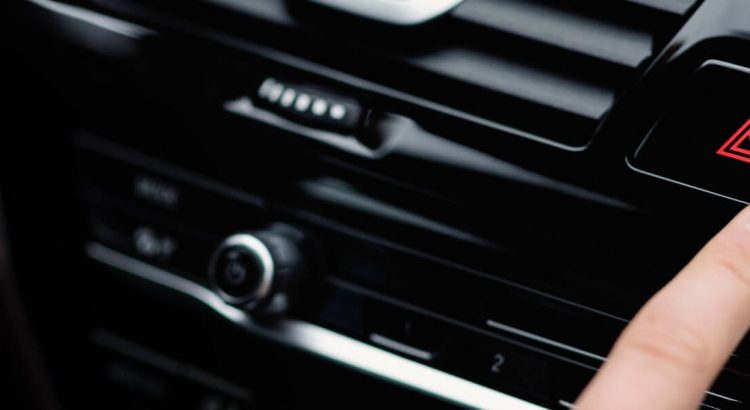
The turn signal is one of the most important signaling systems in a vehicle, as it is used to signal maneuvers and prevent road accidents.
In this guide, learn what it is, when to use it, what the law says, and how to identify problems with turn signals and four-way flashers.
What Is A Car’s Turn Signal?
A turn signal, also known as a blinker, is a light that flashes on and off at regular intervals. It is located at the front, rear, and sides of the vehicle.
Its purpose is to indicate a change of direction or a significant change in driving through a clear visual pattern that is easy for other drivers to identify.
What Is The Function Of A Car’s Turn Signal?
The main function of the turn signal is to communicate the driver’s intentions before performing a maneuver (e.g., parking) to reduce accidents and improve traffic flow.
Therefore, using your car’s turn signal is not optional; it is part of the safety rules and is mandatory when signaling maneuvers or changing direction.
What Color Is The Turn Signal?
Many drivers assume that the color of the turn signals must be orange. However, the legislation of each country may allow some nuances that vary depending on the location of the light on the vehicle.
The legal colors for flashing lights may vary depending on the legislation of each country. However, the most common are:
- Front: white or orange light;
- Rear: red or orange light;
- Sides: orange light is mandatory.
Although in many countries the law allows white at the front and red at the rear, the automotive industry has standardized the use of orange (amber) to increase road safety, as it creates an immediate contrast with the parking lights (red) and headlights (white). This allows other drivers to identify the intention to turn more quickly.

What Is The Purpose Of Using The Four-Way Flashers?
Many drivers use the four-way flashers as a signal to turn immediately, but this is not their legal function.
These lights are used to signal danger, making the vehicle immediately visible to avoid collisions. In other words, their correct use is limited to situations where the vehicle or traffic poses an abnormal risk, such as sudden braking on the highway or when the car is immobilized on the road due to a breakdown.
Is It Mandatory To Use Four Hazard Lights If The Car Is Immobilized?
If the vehicle is stopped on the road due to a breakdown, accident, or emergency, the four hazard lights must be turned on to alert those behind.
In addition, you must wear a reflective vest and set up a warning triangle or other safety equipment required in the country where you are driving.
Can I Use Turn Signal When Slowing Down Abruptly On the Highway?
You can turn on all four hazard lights to alert vehicles behind you that there is an immediate danger, such as stopped traffic after a curve, an impending collision, or obstacles on the road.

What Is The Basic Rule For Turn Signals?
The four hazards are, in practice, the vehicle’s emergency lights, as their function is to alert other drivers to an imminent danger. Therefore, they should be used to:
- Signal that the vehicle poses a danger to other road users due to a breakdown;
- Indicate a sudden reduction in speed due to an accident or traffic jam that you were unable to avoid;
- When the vehicle is being towed (for example, due to engine failure).
There is also another situation in which it is necessary to turn on the hazard lights, which is when the lighting system (low beam, dipped headlights, or high beams) malfunctions.
What Are The Common Turn Signal Mistakes?
Despite the popularity of hazard lights, the truth is that most drivers use them improperly. Therefore, avoid using these lights in the following situations:
- Parking Or Stopping The Vehicle Improperly: if the location does not allow you to stop or park your car, do not use the four hazard lights, even for 5 minutes. You risk a traffic fine;
- Thanking Another Driver: although it may seem polite, turning on the four hazard lights is not the right thing to do.
Are There Fines For Not Using The Four Indicators?
In the event of improper use or failure to use all four indicators in situations specified in each country’s Highway Code, the driver may be fined.
What Are The Signs That The Four Indicators May Be Faulty?
The most common signs of problems with the four turn signals are:
- Turn signals flashing too quickly;
- Flashing light not coming on on one side;
- Relay making irregular noise;
- Light alert on the dashboard;
- Four turn signals that do not turn on or off by themselves.
If you notice any abnormalities, it is important to go to an auto repair shop to check the bulbs, fuses, and relay.
Summary Table On Car Flashing Lights
To check whether your car’s flashing lights comply with mandatory requirements, refer to the summary table below.
| Feature | Mandatory Detail |
| Front color | White Or Orange |
| Rear color | Red Or Orange |
| Side Colors | Orange |
| Number | 4 Lights (2 Front And 2 Rear) |
| Primary Function | Communicate the driver’s intentions before executing a maneuver |
| Location | Integrated into the front and rear lights |
The hazard warning lights are one of the most essential systems in car safety, so they must be used correctly to avoid accidents, reduce fines, and improve communication between drivers.
To keep the system working properly, check bulbs, fuses, and relays regularly.
Want to know more about the automotive world? Then follow us on Facebook and keep up with all the content we share daily.

