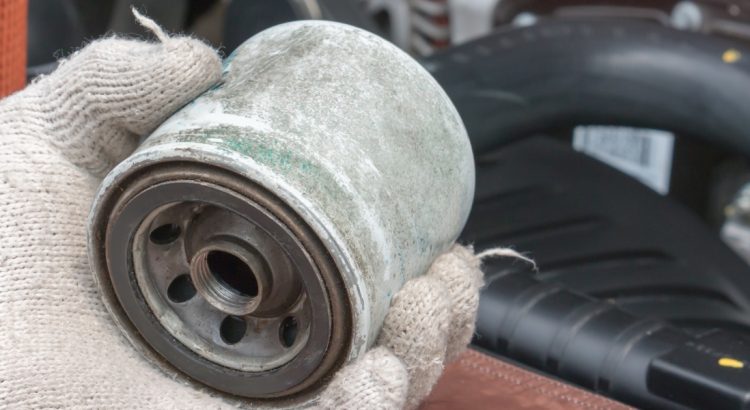
The engine oil filter is one of the most important components in engine maintenance.
The function of this component is simple but essential: to retain impurities from the lubricating oil to ensure that the engine runs efficiently and durably.
In this article, understand what it is for, what the signs of malfunction are, and when to change the engine oil filter.
What Is The Engine Oil Filter?
The oil filter is a filtering element responsible for retaining particles and metal residues present in the engine oil.
Without the filter, impurities generated by the natural friction of internal parts would circulate freely, accelerating engine wear and reducing vehicle performance.
Where Is The Oil Filter Located?
This component is usually located near the engine.
Consulting the manufacturer’s manual is always the best way to confirm the exact location.
What Does The Engine Oil Filter Do?
The main purpose of the oil filter is to ensure that the lubricating fluid remains clean during engine operation. In this way:
- It reduces friction between moving components such as pistons, valves, and crankshafts;
- It prevents the engine from overheating;
- It extends the engine’s service life;
- It keeps oil pressure stable.
Without efficient filtration, oil loses its lubricating capacity and can cause serious and costly damage.
How Does The Engine Oil Filter Work?
The lubricating fluid is pumped through the filter, which retains solid particles. Then, only clean oil is returned to the engine.
The internal filter element, usually made of paper, microfiber, or synthetic material, acts as a barrier, preventing impurities from passing through.
If the engine oil filter is clogged, a bypass valve allows the oil to pass through directly, preventing a lack of lubrication, but at the expense of oil quality.
Why Is The Engine Oil Filter Important?
A filter in good condition means a protected engine and consistent performance.
If the filter is dirty or clogged, the fluid loses flow and the lubrication system stops working properly. As a result, it can cause oil pump failure and even engine seizure.
Therefore, you should never delay replacing the engine oil filter.
What Are The Different Types Of Engine Oil Filters?
There are three main types:
1. Cartridge Filter
Used in modern engines. Only the filter element is replaced, making it more environmentally friendly and economical.
2. Metal Filter (Or Spin-On)
This is the most common type. It is replaced completely and has a built-in check valve.
3. Centrifugal Filter
Used in large engines. It filters the oil through centrifugal force.

Do I Really Have To Change The Oil Filter Every Time I Change The Oil?
Yes. Changing the filter without replacing the fluid is incorrect practice.
The old engine oil filter contains residues and impurities that contaminate the new fluid, immediately reducing its effectiveness.
What Are The Symptoms Of An Old Oil Filter?
When an engine oil filter is old, dirty or clogged, engine performance is affected. The main symptoms include:
- Oil warning light on the dashboard;
- Metallic noises during operation;
- Irregular engine or loss of power;
- Increased fuel consumption;
- Burnt oil odor.
If you notice these signs, you should check the lubrication system immediately.

How To Change The Engine Oil Filter?
Changing the engine oil varies from car model to car model, and from the method you intend to use. The most effective method is through the engine crankcase, but an oil extractor can also be used.
Where Can You Dispose Of Used Engine Oil?
Waste management is an important issue. Therefore, used fluid and filters should be taken to authorized repair shops or recycling centers.
Never dispose of oil directly in the trash or down the drain, as it is a hazardous and polluting waste product, subject to heavy fines.
Where Can I Buy Quality Tools To Change The Engine Oil Filter?
The right tools make all the difference when replacing the engine oil filter, especially for auto repair shops.
At KROFtools, you will find high-quality equipment that guarantees precision, safety, and durability in every job.
Among the most popular options are:
1. Filter Wrench Set 7 Pieces

Compact and sturdy, this set includes seven metal wrenches of different sizes, ideal for removing and tightening oil filters without damaging the housing.
It is a practical option for mechanics who work with various types of engines.
Click on the image for more information about the Filter Wrench Set 7 Pieces (ref. 4087).
2. 19 Pieces Oil Filter Cap Wrench Set – 2ª Generation

This professional kit includes 19 high-strength aluminum pieces, compatible with different vehicle brands.
Its reinforced structure ensures greater grip and precision when tightening and loosening the filter.
Click on the image for more information about the 19 Pieces Oil Filter Cap Wrench Set – 2ª Generation (ref. 6516).
3. 40″ Workshop Creeper

Made of sturdy plastic, this platform is indispensable for the comfort of professionals working on the underside of vehicles.
The ergonomic design and built-in wheels allow for smooth and safe mobility in the workshop.
Click on the image for more information about the 40″ Workshop Creeper (ref. 4876).
4. Oil Vacuum Extractor With Measuring Cup 90l 3 Drawers Empty

Ideal for removing used oil quickly and cleanly, this suction device uses a vacuum system and includes a control viewer.
The three drawers allow you to store oil change tool kits (Ref: 9717), keeping your workspace organized.
Click on the image for more information about the Oil Vacuum Extractor With Measuring Cup 90l 3 Drawers Empty (ref. 9716).
5. Mechanic Work Gloves Kroftools EN388 CE CAT II

Essential for the safety and comfort of mechanics, these gloves offer high resistance to abrasion and wear without compromising precision of movement.
The breathable material and anatomical fit make them ideal for prolonged work in the workshop.
Click on the image for more information about Mechanic Work Gloves Kroftools EN388 CE CAT II (ref. LUVAS).
How Much Does It Cost To Change An Oil Filter In A Car?
The price varies depending on the make and model of the vehicle.
On average, the price of an engine oil filter is around tens of euros. A complete oil and filter change service can vary between tens and hundreds of euros.
Investing in a quality filter is essential to prolong the life of the engine and avoid costly repairs.
Want to know more about the automotive world? Then follow us on Facebook and keep up with all the content we share daily.

