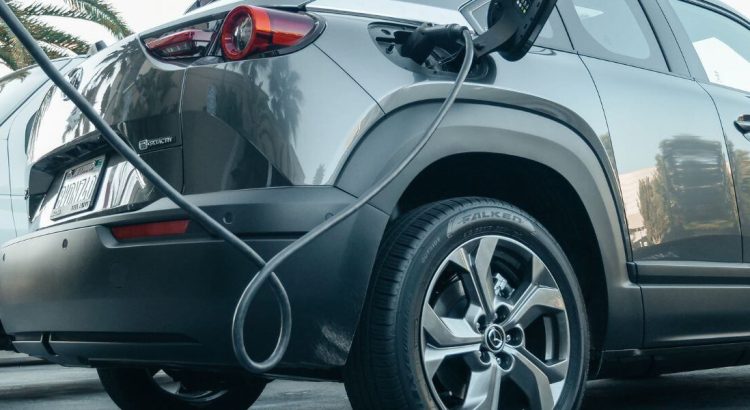
Buying a used electric car has become an increasingly popular option across the European Union, mainly due to rising fuel prices and the growth of sustainable mobility.
Before making a purchase, it is important to understand the risks, advantages, and costs associated with buying a second-hand vehicle.
In this article, discover whether buying a used electric car is worthwhile and what you should check before making a purchase.
Is It Worth Buying a Used Electric Car In The European Union?
Electric cars can significantly reduce running costs, particularly fuel and maintenance expenses. In addition, many recent models already offer very attractive ranges for daily use.
On the other hand, the used car market offers more affordable prices compared to new electric vehicles. However, the decision should be made carefully, paying attention to the battery condition, range, and maintenance history.
How To Choose a Good Used Electric Car?
Choosing a used electric car should involve more than just considering the price.
In practice, several factors influence the vehicle’s reliability and performance, with the most important being:
- Battery condition;
- Real-world range;
- Mileage;
- Service history;
- Charging type;
- Battery warranty;
- Year of manufacture.
It is also important to confirm whether the model still receives software updates and technical support from the manufacturer.
What Is The Biggest Problem With Electric Cars?
Before proceeding with the purchase, you should analyse the following aspects:
1. Battery Condition
The battery is the most important component in an electric car.
Therefore, you should check:
- Percentage of degradation;
- Current usable capacity;
- Charging history;
- Availability of a warranty.
2. Real-World Range
The range stated by the manufacturer does not always correspond to daily use.
In practice, factors such as temperature, speed, and driving style have a significant impact on energy consumption.

3. Maintenance History
Although they have fewer mechanical components, electric cars also require maintenance.
Therefore, you should verify:
4. Charging Type
Not all models support fast charging, so pay attention to this detail, as it can make a significant difference in everyday use.
For example, some older models may take more than 8 hours to charge using a standard domestic charger, while vehicles equipped with fast charging can recover a large portion of the battery in less than 1 hour.
What Are The Main Advantages Of Buying a Used Electric Car Vs a Used Internal Combustion Car?
Used electric cars offer several advantages, such as:
- Lower cost per kilometre;
- Reduced maintenance expenses;
- Quiet driving experience;
- Lower environmental impact;
- Tax benefits;
- More affordable price compared to new models.
In addition, many used electric models already include very modern equipment.
Does a Used Electric Car Lose a Lot Of Range?
Yes, there is always some loss of range over time. However, in more recent models, this degradation is usually slower than many people imagine.
As a general rule:
| Battery Age | Average Range Loss |
| 3 to 5 years | 5% to 10% |
| 5 to 8 years | 10% to 20% |
| More than 8 years | Varies depending on usage |

How Long Does a Used Electric Car Battery Last?
Even after some degradation, most batteries remain perfectly functional for daily use.
Battery lifespan depends on several factors, including usage, charging habits, and temperature.
On average, modern batteries can last between 8 and 15 years. However, many manufacturers offer warranties of up to 8 years or 160,000km.
How Much Does It Cost To Replace a Battery In An Electric Car?
Battery replacement remains one of the highest costs associated with electric vehicles.
In general, prices can reach several tens of thousands of euros. However, complete replacement is not always necessary, as some manufacturers allow individual modules to be repaired.
How Do I Know If I Am Making The Right Decision When Buying a Used Electric Car?
When the vehicle matches your daily needs, a used electric car can be an economical, sustainable solution with significantly lower long-term running costs.
Therefore, you should base your decision on the answers to these questions:
- How many kilometres do you drive per day?
- Do you have the possibility to charge at home?
- Do you frequently need to make long journeys?
- Does your budget include potential future repairs?
What Tax Incentives Are Available for Buying Sustainable Vehicles in 2026?
Across the European Union, various incentives and benefits continue to be associated with electric mobility. Among the most common are:
- Registration tax exemptions or reductions in certain countries;
- Vehicle tax exemptions or reductions for many models;
- Tax benefits for companies;
- Incentive programmes for the purchase of electric vehicles, depending on the country and local regulations.
The conditions may vary according to the country and type of vehicle.
Looking to learn more about vehicle maintenance, technology, and workshop tools? Then follow the KROFtools blog and discover new technical content regularly.

