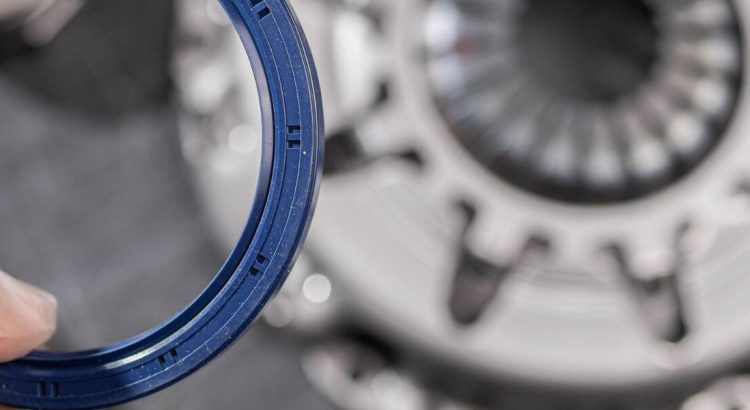
The crankshaft seal is a small component that is essential for the proper functioning of the engine.
This component is responsible for preventing oil leaks between the moving parts of the engine and the crankshaft. When it is damaged, it can cause oil leaks, increase fuel consumption, and cause serious damage to the engine.
In this article, learn what the crankshaft seal is, what the symptoms of failure are, and when you should replace it to keep your engine in perfect condition.
What Is A Crankshaft Seal?
The crankshaft seal is a reinforced rubber or silicone gasket installed at the ends of the crankshaft.
As a general rule, it has a seal at the front (next to the pulley) and another at the rear (next to the clutch).
What Is The Function Of The Crankshaft Seal?
The main function of the crankshaft seal is to prevent engine oil from leaking and ensure that it remains inside the crankcase, even at high revs and temperature variations.
On the other hand, the crankshaft seal protects the crankshaft and internal components by preventing the entry of dirt and particles that can cause wear.
Where Is The Crankshaft Seal Located?
There are two main seals, which operate under high pressure and temperature, making them susceptible to wear over time. Their locations in a car are:
- Front Crankshaft Seal: mounted at the front end of the crankshaft, next to the timing belt (remove link please) or pulley;
- Rear Crankshaft Seal: located between the engine and the gearbox, next to the clutch.
What Are The Most Common Symptoms Of Crankshaft Seal Failure?
The most common signs of crankshaft seal failure are:
- Oil stains on the ground under the front or rear of the engine;
- Smell of burnt oil while driving;
- Constant low oil level with no apparent signs of leakage;
- Smoke coming from the engine, caused by oil coming into contact with hot parts.
When these symptoms appear, it is essential to act quickly to avoid damage to the clutch, belts, or even the engine itself. If oil falls on very hot surfaces such as the exhaust, it can ignite, causing the vehicle itself to catch fire.
What Causes A Crank Seal To Fail?
Crankshaft seal failure can have several causes, the most common being:
- Natural wear due to age and engine temperature;
- Incorrect installation during a previous repair;
- Excessive pressure in the crankcase, caused by obstruction of the air conditioning system;
- Exposure to contaminated oil or aggressive cleaning products.
In many cases, replacing the crankshaft seal must be done in conjunction with other interventions, such as replacing the timing belt or dismantling the gearbox.
How Is The Crankshaft Seal Diagnosed?
The diagnosis is made by visual inspection of the lower and rear areas of the engine.
Experienced mechanics use inspection lamps and degreasing products to identify the exact source of the leak.
In doubtful cases, a fluorescent dye can be applied to the oil, which reveals the leak under black light.

Can You Drive With A Leaking Main Seal?
Technically, yes. However, it is not recommended.
A small leak may seem harmless, but over time, the lost oil compromises engine lubrication, increasing the risk of seizure. In addition, the oil can reach the clutch disc, causing a loss of performance.
Ideally, the crankshaft seal should be replaced as soon as possible, as soon as the first signs of leakage are detected.
What Are The Consequences Of Driving With A Damaged Crankshaft Seal?
The main consequence is engine oil leakage, which reduces the lubrication of moving parts and increases friction. As a result, there is premature wear of internal components, which can lead to engine overheating.
Over time, the oil can reach the clutch (in the case of the rear crankshaft seal), causing vibrations and loss of traction.
Ignoring the problem can result in costly repairs, such as replacing the clutch, crankshaft, or even the entire engine. Therefore, whenever there are signs of leakage, the crankshaft seal should be checked and replaced immediately.
When Does It Make Sense To Replace The Crankshaft Seal Preventively?
Preventive replacement of this component is recommended in two main scenarios:
- During timing belt replacement, as access to the front seal is easier;
- When the engine or transmission is disassembled, allowing access to the rear seal.
This practice helps avoid additional labor costs in future repairs.
How To Replace The Crankshaft Seal?
To replace the crankshaft seal accurately and using the appropriate tools, you must:
- Remove the guards and components that hinder access (such as pulleys, belts, or clutch);
- Carefully extract the old crankshaft seal without scratching the crankshaft;
- Clean the fitting area with a clean cloth and degreasing product;
- Install the new seal with the aid of an assembly tool or press;
- Reassemble the removed components.
Although it seems simple, this replacement should be performed by a professional, as an assembly error can cause new leaks.

What Tools Are Needed To Replace The Crankshaft Seal?
Using the right tools ensures accurate replacement and prevents damage to the crankshaft. In this sense, the best tools for replacing the crankshaft seal are:
- Seal extractor;
- Drive Socket Sets
- Rubber hammer or manual press;
- Cleaning product and microfiber cloths.
How Much Does It Cost To Replace A Crankshaft Seal?
The cost varies depending on the position of the crankshaft seal and the vehicle model.
In general terms, the price to replace a front crankshaft seal varies between tens and hundreds of euros, including labor.
The average cost to replace a rear seal is around hundreds of euros, as the process involves dismantling the gearbox, which increases the cost of labor.
Despite the cost, replacing the crankshaft seal is much more economical than repairing the damage caused by a prolonged leak.
How To Prevent New Leaks In The Crankshaft Seal?
To extend the service life of the crankshaft seal, it is crucial to adopt good practices, such as:
- Use quality engine oil with the correct viscosity;
- Avoiding excessive pressure in the crankcase;
- Lubricating the seal lip with a thin layer of clean oil during assembly;
- Not reusing old seals, even if they appear to be in good condition.
Want to know more about the automotive world? Then follow us on Facebook and keep up with all the content we share daily.

