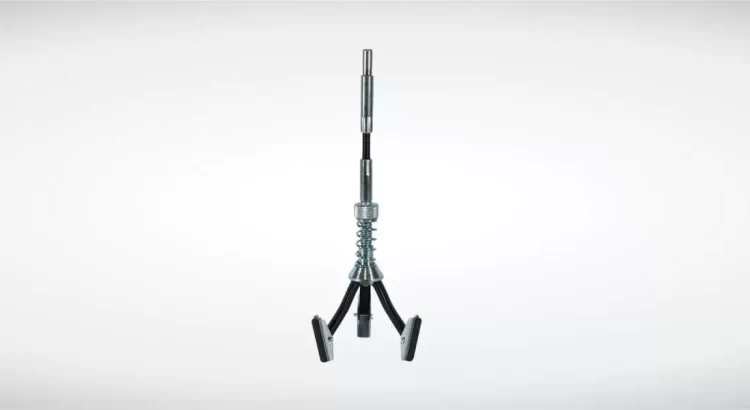
A cylinder hone is an essential tool in engine reconditioning.
This tool restores the internal surface of cylinders and improves piston ring sealing. Knowing when and how to use one can make all the difference in the quality of a repair.
In this article, discover what a cylinder hone is used for, the available types, and how to choose the most suitable model.
What Is a Cylinder Hone?
A cylinder hone restores the internal surface of engine cylinders using rotating abrasive stones.
The honing stones are made of abrasive material, such as aluminium oxide, and adjust to the cylinder diameter.
What Is a Cylinder Hone Used For?
A cylinder hone restores the internal surface of engine cylinders.
In practice, this process helps to remove irregularities, standardise the cylinder diameter, and improve piston ring sealing.
When properly performed, honing improves engine efficiency, compression, and reduces oil consumption.
How Does a Cylinder Hone Work?
Honing is based on the rotation of abrasive stones inside the cylinder and involves the following steps:
- Cleaning the cylinder;
- Measuring the diameter;
- Adjusting the hone to the correct diameter;
- Rotating the tool with an up-and-down motion.
This movement creates a cross-hatch pattern that improves oil retention.
At the end of the process, the operator cleans the area to remove abrasive residues.
What Types Of Cylinder Hones Are There?
There are two main types:
| Feature | Manual Hone | Automatic Hone |
| Type of use | Manual operation with a drill or rotary tool. | Mechanised equipment used in reconditioning machines. |
| Precision | Good, but depends on operator experience. | Very high and consistent. |
| Productivity | Suitable for occasional work. | Ideal for intensive or production work. |
| Ease of use | Requires more control and technique. | Easier after setup. |
| Cost | More affordable. | Higher investment. |
| Typical use | Mechanical workshops and occasional repairs. | Professional engine reconditioning. |
Why Does Cylinder Honing Affect Engine Performance?
When there are irregularities in the cylinder wall, problems may occur such as:
- Increased friction between piston and cylinder;
- Premature wear of piston rings;
- Loss of compression.
By using it, the surface becomes more uniform, allowing better oil distribution and piston ring performance.
As a result, the engine achieves higher efficiency, reduced wear, and longer service life.
When Should You Use a Cylinder Hone?
Cylinder honing is carried out during engine rebuilding operations, including situations such as:
- Replacement of piston rings;
- Engine reconditioning;
- Visible cylinder wear;
- Loss of compression.
In many workshops, this operation is part of engine preparation before installing new components.
What Are The Advantages Of Using A Quality Cylinder Hone?
A high-quality cylinder honing tool improves work precision and reduces errors during engine rebuilding. However, it also offers other advantages, such as:
1. Greater Finishing Precision
During honing, it is essential to create a cross-hatch pattern, which improves oil retention. Using a precise tool helps remove irregularities, enhances piston ring sealing, and optimises engine lubrication.
2. Lower Risk Of Engine Damage
A professional one provides greater stability during work, allowing for more precise control of the operation. This reduces the risk of deforming the cylinder, causing uneven surface wear, or compromising engine compression.
In engine rebuilds, this precision is essential to ensure reliable results.
3. More Consistent Results
A well-built tool allows for more consistent honing. This way, the operator can achieve a similar finish across different jobs.

How To Choose The Right One?
When selecting a cylinder peeler, several factors must be taken into account, the most important of which are:
- Diameter of the cylinders in operation;
- Engine type;
- Frequency of use in the workshop.
Also ensure compatibility with the required accessories and abrasive stones.
Tips For Using a Cylinder Hone
For best results, follow these best practices:
- Use proper lubrication during the process;
- Maintain constant movement inside the cylinder;
- Avoid excessive pressure;
- Regularly check the cylinder diameter.
Which Stones Should You Choose?
The choice of abrasive stones depends on the cylinder material and desired finish:
In summary, the most common choices are:
- Coarse grit: used to remove deep marks or irregularities on the cylinder wall;
- Medium grit: ideal for standard stripping prior to the installation of new segments;
- Fine grit: used in the final finishing process to create a smooth surface.
Where To Buy Professional Cylinder Hones?
Professional hones should be purchased from suppliers specializing in mechanical tools.
KROFtools’ cylinder honing tools are designed for professional use, ensuring precision and durability in engine work.
With different models suited for various cylinder diameters and workshop needs, these tools are available exclusively through KROFtools’ official dealers.

What Models Are Available In The Catalogue?
In the KROFtools catalogue, you’ll find cylinder hones in various diameters to boost your workshop’s productivity.
Check out our solutions in the list below.
Brake Cylinder Hone 19-69mm

It has an opening diameter of 16–69mm and is compatible with 28.8 mm stones.
Click the image to learn more about the Brake Cylinder Hone 19-69mm (ref. 7014).
Engine Cylinder Hone 32-89mm

The opening diameter of this cylinder hone is 32–89mm and it is compatible with 50 mm stones.
Click the image to learn more about the Engine Cylinder Hone 32-89mm (ref. 7015).
Engine Cylinder Hone 50-178mm

The opening diameter is 50–178 mm and it can be used with 100 mm stones.
Click the image to learn more about the Engine Cylinder Hone 50-178mm (ref. 7020).
Engine Cylinder Hone 89-370mm

It has an opening diameter of 89–370 mm and can be used with 4 × 100 mm stones.
Click the image to learn more about the Engine Cylinder Hone 89-370mm (ref. 7025).
Engine Cylinder Hone 51-250mm

Ideal for quickly and effectively removing carbon deposits from cylinders.
It can be used with a cordless drill to enhance results and features a flexible self-aligning design, allowing use without removing the cylinder.
Click the image to learn more about the Engine Cylinder Hone 51-250mm (ref. 7030).
Useful Accessories For Cylinder Hones
In addition to hones, the KROFtools catalogue offers stone sets to carry out quality work.
- Cylinder Hone Set 3pcs (ref. 7013): compatible with the Brake Cylinder Hone 19-69mm (ref. 7014)
- Engine Cylinder Hone Stone Set 36-80mm 3pcs (ref. 7133): For use with the Engine Cylinder Hone 32-89mm (ref. 7015);
- Engine Cylinder Hone Stone Set 51-178mm (ref. 7134): Compatible with the 51–178mm hone, refs. 7020, 7025, and 7030;
- 3pcs Stones 100mm Medium Grit For Engine Cylinder Hone (ref. 7137): For use with the 50–178mm hone, refs. 7020, 7025, and 7030;
- Engine Cylinder Hone 89-370mm 04pcs (ref: 7136): For use with the hone, ref. 7015.
How Much Does a Cylinder Hone Cost?
The price varies depending on the brand and features.
Generally, they range from tens to several hundred euros.
What Are the Cylinder Hone Care and Maintenance Guidelines?
To ensure the proper functioning of the it, follow these maintenance best practices:
- Clean the tool after each use;
- Check the condition of the abrasive stones;
- Lubricate moving parts as needed;
- Store the equipment in a dry place (for example, in a tool cabinet).
Want to learn more about the automotive world? Follow us on Facebook and keep up with all the content we share every day.

