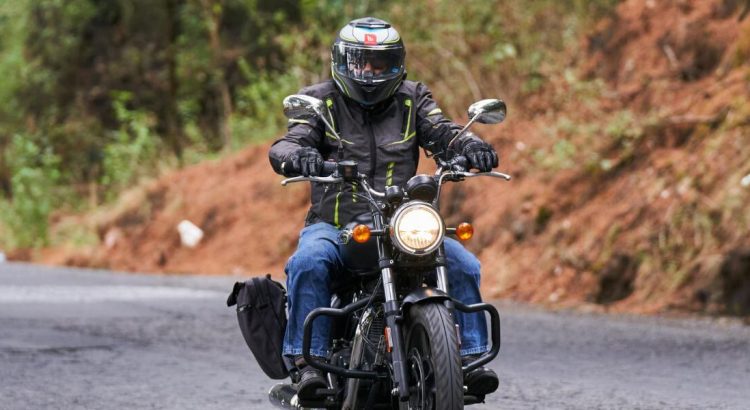
A motorcycle helmet is one of the most important pieces of equipment for any rider, and its purpose goes far beyond simply complying with the law.
In the event of an accident, it is the main element protecting the head, as it significantly reduces the risk of serious or fatal injuries.
In this article, find out what a motorcycle helmet is for, how it works, and how to choose the right model.
What Is The Importance Of Wearing a Motorcycle Helmet?
A motorcycle helmet is the rider’s main protective element, as it is the first to act in the event of an accident.
In practice, the helmet reduces direct impact on the head and lowers the risk of serious injuries. Without it, any fall can have fatal consequences.
Therefore, wearing a helmet is not just a recommendation it is an essential safety measure, just like ensuring the motorcycle itself is in perfect working condition.
Regular maintenance, using the proper tools for the motorcycle, helps prevent mechanical failures and risky situations on the road.
Is It Mandatory To Wear a Motorcycle Helmet In The EU?
Yes, wearing a motorcycle helmet is mandatory across the European Union, both for the rider and the passenger, including during training for obtaining a motorcycle licence.
Although specific regulations may vary slightly between countries, in general:
- It must be worn whenever riding a motorcycle;
- It must be properly fastened;
- It must be EU-approved (homologated, e.g. ECE certification).
In practice, riding without a helmet may result in fines and, depending on the country, penalty points on your driving licence.
What Are The Advantages Of Wearing a Motorcycle Helmet?
In addition to the legal requirement, wearing this safety equipment provides:
- Significant reduction in the risk of head injuries;
- Protection against wind, rain, and debris;
- Greater comfort on long trips;
- Better concentration while riding;
- Reduction of external noise (depending on the model).
In short, it improves both safety and the riding experience.
What Types Of Motorcycle Helmets Are There?
There are several types of motorcycle helmets, each designed for different uses.
In practice, the choice should take into account the level of protection, comfort, and type of riding.
In simple terms, these are the main types:
1. Full-Face Helmet
This is the most complete model in terms of protection, as it covers the entire head, including the chin.
In practice, it is the most suitable for road riding and higher speeds.
In higher-risk scenarios, such as riding on highways or motorways where impacts tend to be more severe, this type of helmet can make a significant difference in rider protection.
Advantages:
- Maximum protection in case of impact;
- Better insulation from wind and noise;
- Greater stability at high speeds.
Limitations:
- Less ventilation;
- Can be heavier and warmer.
2. Modular Helmet
Combines the features of a full-face helmet with the ability to lift the chin bar.
Therefore, it adapts well to daily use and urban commuting.
Advantages:
- Versatility (open or closed);
- More practical for frequent stops;
- Good balance between comfort and protection.
Limitations:
- Lower structural resistance compared to full-face helmets;
- Heavier due to the mechanism.
3. Jet Helmet (Open-Face)
This helmet leaves the face and chin exposed. It is more commonly used in the city and at lower speeds.
Advantages:
- Lightweight and comfortable;
- Excellent ventilation;
- Easy to put on and remove.
Limitations:
- Reduced protection, especially in the chin area;
- Greater exposure to wind and debris.
4. Off-Road Helmet
Designed for off-road use, such as motocross or enduro. It features a front visor peak and increased ventilation.
Advantages:
- Excellent ventilation in demanding environments;
- Design suited for dust and mud;
- Good visibility with protective goggles.
Limitations:
- Less comfort on the road;
- More noise at higher speeds.
What Is The Best Material For a Motorcycle Helmet?
The material directly influences the helmet’s safety, weight, and comfort.
In practice, each option has advantages and limitations, so the choice should consider usage type and budget.
| Helmet Material | Advantages | Limitations | Ideal For |
| Polycarbonate | More affordable and good resistance | Heavier and less durable | Occasional urban use |
| Fiberglass | Good impact absorption, lighter | Mid-range price | Regular road use |
| Carbon Fiber | Very lightweight and highly resistant | More expensive | Intensive use, including high performance |
| Composites | Balance between weight and resistance | Performance varies by composition | Versatile everyday use |
What Is The Safest Helmet For Motorcycle?
To choose the best motorcycle helmet, consider:
- Type of use (city, road, off-road);
- Desired level of protection;
- Comfort and ventilation;
- Helmet weight;
- Visor quality;
- Fastening system.
Therefore, prioritise fit and safety, not price.

Are There Motorcycle Helmets For Children?
Yes, there are specific models for children, with proper head fit and reduced weight.
Therefore, you should never adapt an adult helmet for a child, as it compromises their safety.
How Do You Know What Size Motorcycle Helmet You Need ?
Before buying a helmet, it is essential to ensure it fits correctly: it should be snug, without gaps, should not move when you shake your head, and should not create uncomfortable pressure points.
With this in mind:
- Measure the circumference of your head (above the eyebrows);
- Compare it with the manufacturer’s size chart;
- Try the helmet on.
How Do You Know If a Motorcycle Helmet Is Good?
Like other safety equipment, such as reflective vests and warning triangles, certification ensures that the helmet meets required safety standards across the European Union.
In the EU, approved helmets must have:
- A European approval label (e.g. ECE certification);
- A visible marking inside the helmet or on the strap;
- A manufacturer’s declaration of conformity.
If the helmet is not approved, it should not be used.
How Many Years Does a Motorcycle Helmet Last?
Yes, helmets have a lifespan. Even without accidents, materials degrade over time. In addition, exposure to sun, sweat, and frequent use accelerates wear.
On average, a helmet lasts 3 to 5 years under normal use.

How Often Should You Change Motorcycle Helmet?
There are situations where replacement is mandatory. Replace your helmet if:
- It has suffered an impact or fall;
- It shows cracks or damage;
- The interior is worn out;
- It no longer fits properly;
- It is over 5 years old.
What Is The Price Of a Motorcycle Helmet?
The price varies depending on the type and material. On average, a basic helmet costs tens of euros, while mid-range or high-end models can cost hundreds of euros.
Therefore, the investment should match your usage and requirements.
Where To Buy a Motorcycle Helmet?
You can buy a motorcycle helmet in specialised motorcycle shops, where you can try it before purchasing. However, you can also buy it online from trusted stores.
Remember that the helmet must be approved and comply with current legislation.
Looking to learn more about the automotive world? Follow us on Facebook and keep up with all the content we share daily.

