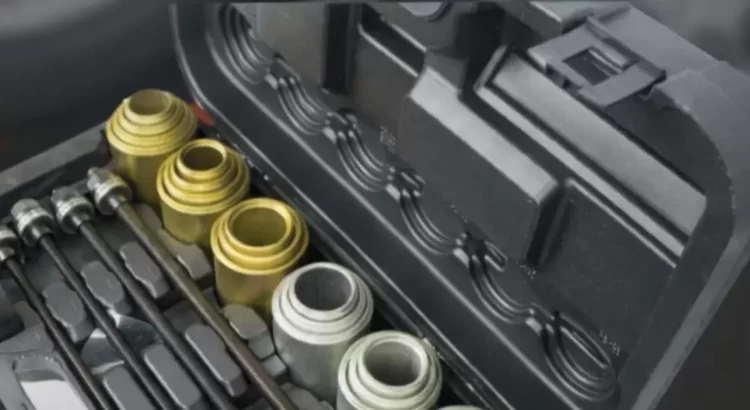
The bearing puller is an essential tool in any workshop, as it allows bearings to be removed (and in most cases also installed) safely without damaging components.
When extraction is carried out incorrectly, it can compromise the shaft, the housing, or even the new bearing. This is where this tool makes all the difference.
In this article, learn what a bearing puller is used for, how it works, the types available, and how to choose the most suitable one for your mechanical workshop.
What Is a Bearing Puller?
A bearing puller, also known as a bearing extractor, is a tool used to remove bearings from shafts or housings.
In practice, it allows controlled force to be applied to remove the bearing without causing damage. Most bearing pullers also allow safe installation.
What Is a Bearing Puller Used For?
In practice, a bearing puller allows you to:
- Remove stuck or damaged bearings;
- Avoid damage to the shaft or housing;
- Facilitate preventive maintenance operations;
- Reduce working time in the workshop;
- Ensure controlled extraction.
How Does a Bearing Puller Work?
In general, the operation of a bearing extractor is based on applying controlled force, as follows:
- Tool positioning: the jaws or supports are placed on the bearing;
- Support point adjustment: the central screw rests against the shaft;
- Force application: by turning the screw, the bearing is pulled out;
- Controlled extraction: the bearing is removed evenly.
This prevents uncontrolled force and structural damage.
Where Is a Bearing Puller Used?
This tool has several applications in mechanics and in components such as:
- Bearings (external and internal);
- Gears (e.g., from the driveshaft);
- Alternator pulleys;
- Crankshaft pulleys;
- Bushings and seals;
- Wheel hubs.
What Are The Types Of Bearing Pullers?
Currently, there are two main types of bearing pullers: mechanical and hydraulic. The choice depends on the required force and the type of intervention.
Below, learn about the main differences between the two.
1. Mechanical Bearing Puller
It works through a central screw and jaws that pull the bearing as manual force is applied.
It is the most common type in workshops and suitable for most operations.
Advantages:
- Easy to use;
- More affordable;
- Versatile for various workshop tasks.
Limitations:
- Limited extraction force;
- May require more physical effort;
- Less effective on very tight bearings.
2. Hydraulic Bearing Puller
Uses a hydraulic system to apply force more intensely and in a controlled manner.
It is suitable for more demanding situations where the bearing is firmly stuck.
Advantages:
- High extraction force;
- Less operator effort;
- Greater control during the process.
Limitations:
- Higher price;
- Requires regular maintenance;
- Less practical for quick tasks.

Why Use a Bearing Puller?
By using a bearing extraction tool, you are:
- Avoiding deformation of components;
- Ensuring uniform removal;
- Reducing the risk of accidents;
- Working faster and more efficiently;
- Increasing the durability of the involved parts.
How To Choose a Bearing Puller?
The choice should be based on usage, so consider aspects such as:
- Type of bearings you work with;
- Workshop space;
- Frequency of use;
- Required force;
- Tool versatility.
For workshops, complete kits are the best option.

What Does a Bearing Installation Kit Include?
Generally, a complete bearing removal kit includes:
- Adapters of different sizes;
- Support plates;
- Central screw or hydraulic system;
- Jaws or extraction discs;
- Carrying case.
In practice, these kits allow you to work with various types of bearings using a single solution.
What Is The Best Bearing Puller For a Workshop?
For professional use, the ideal option is complete kits, as they offer greater versatility, compatibility with various diameters, and improved work efficiency.
What Bearing Pullers Are Available In The Kroftools Catalog?
To simplify bearing removal and increase your workshop’s productivity, the KROFtools catalogue includes the following tools:
1. Bearings And Seals Extractor/Installer 10pcs
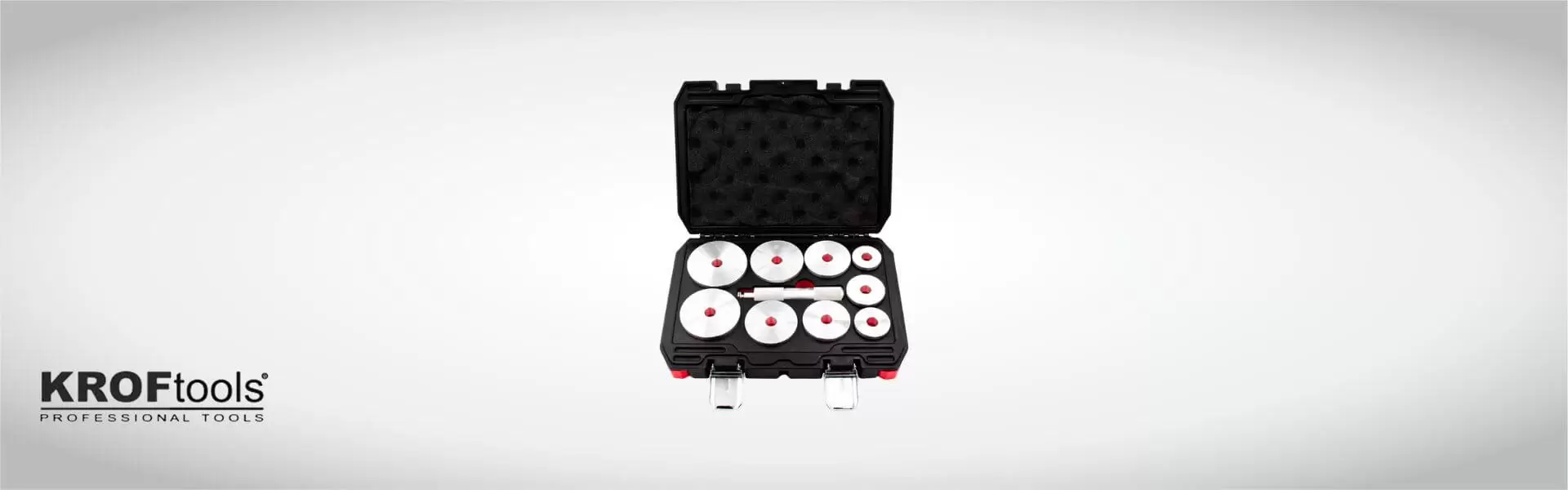
This professional bearing puller kit consists of 10 pieces and was developed to remove and install bearings and seals evenly.
In practice, it allows working with various diameters through adapters, ensuring balanced force distribution and preventing component damage.
Click on the image for more information about the Bearings And Seals Extractor/Installer 10pcs (ref. 6312).
2. Steering Head/Axle Bearing Assembly Tool Kit For Motorcycles
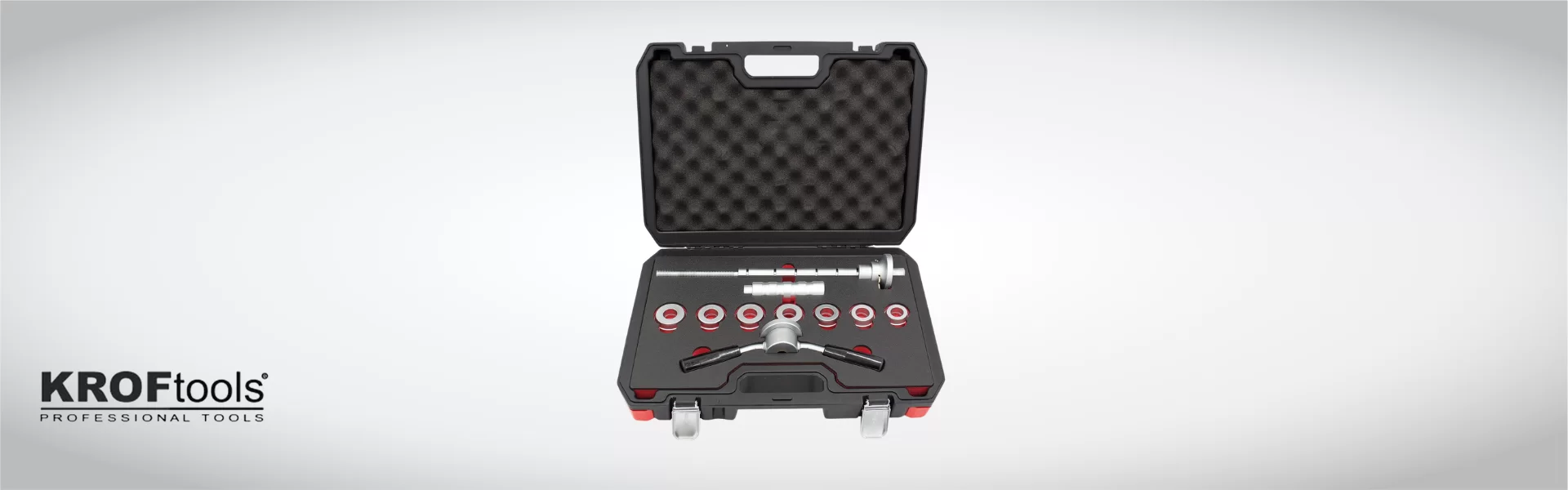
A specific tool for extracting bearings in more difficult areas, such as steering heads and motorcycle axles.
In practical terms, it allows internal bearings to be removed without damaging the housing, even in tight spaces.
Click on the image for more information about the Steering Head/Axle Bearing Assembly Tool Kit For Motorcycles (ref. 9326).
3. Degreaser For Washing Parts 20lt
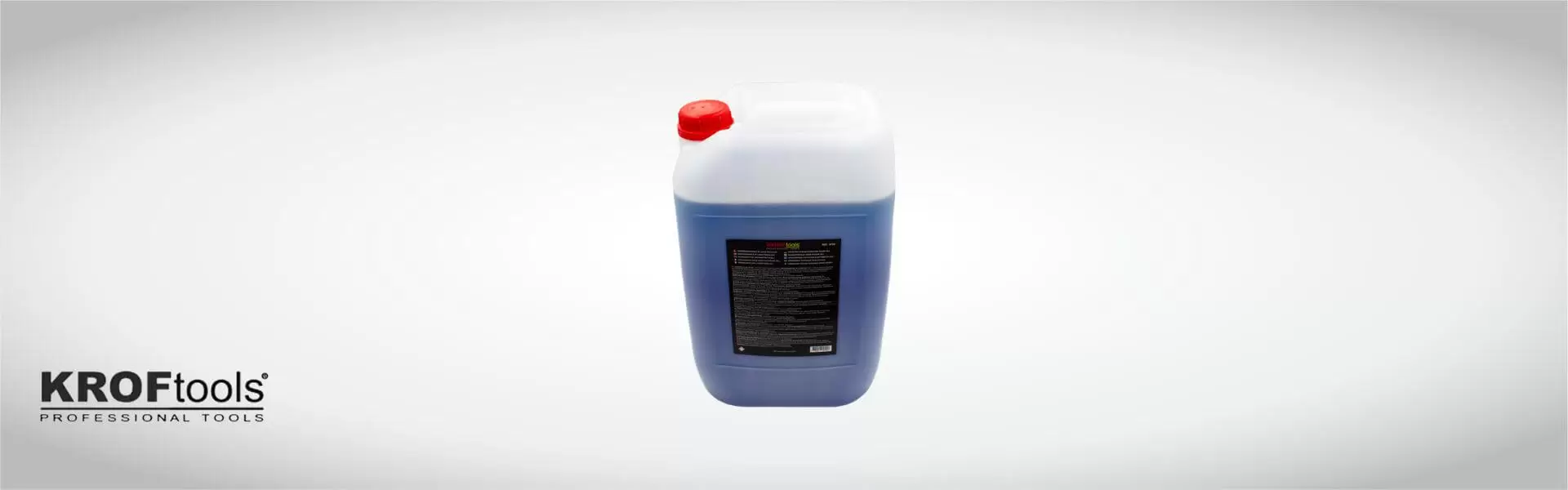
A cleaning product used to remove oil, grease, and residue from mechanical parts.
Click on the image for more information about the Degreaser For Washing Parts 20lt (ref. 9739).
What Is The Price Of a Bearing Puller?
The price varies depending on the type and quality of the bearing extractor.
On average, a universal bearing puller costs tens of euros, while more robust and complete options can reach hundreds of euros.
How To Use a Bearing Installation And Removal Kit?
The process must be carried out methodically; otherwise, you may damage the tool and the components you are working on.
Therefore, you must:
- Select the correct adapter;
- Position the assembly on the bearing;
- Align the extraction system;
- Apply gradual force;
- Remove the bearing.
What Are The Maintenance Requirements For The Bearing Puller?
To increase the durability and safety of bearing pullers, it is essential to follow certain maintenance guidelines:
- Clean after each use;
- Lubricate the central screw;
- Check wear on the jaws;
- Store in a dry place (e.g., a tool cabinet).
Looking to learn more about the automotive world? Follow us on Facebook and stay updated with all the content we share daily.

