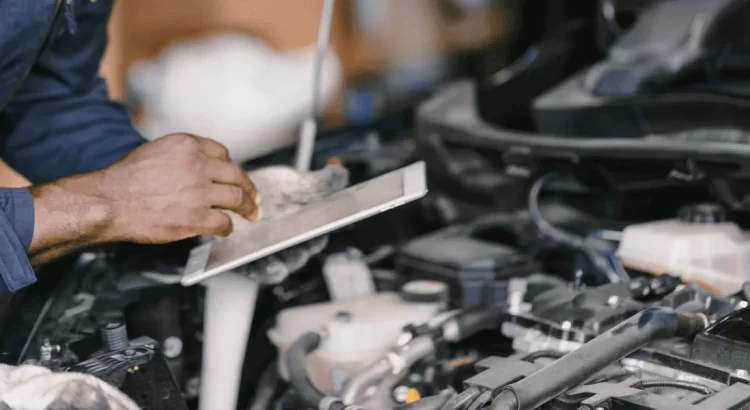
ECU remapping is one of the most popular modifications for drivers looking to improve their vehicle’s performance.
As well as increasing engine power and torque, in some cases it can also reduce fuel consumption, all without making mechanical changes to the engine. However, there are also risks to consider.
In this article, find out what ECU remapping is, what exactly is changed, what the potential risks are, how much it costs and what you should know before proceeding.
What Is An ECU In a Car?
The ECU, also known as the Engine Control Unit, is the vehicle’s central computer.
This unit stores the parameters that determine how systems such as fuel injection, turbocharger pressure and ignition timing should operate.
Manufacturers programme the ECU with conservative values to ensure that the vehicle operates reliably under different conditions, markets and fuel qualities. This means that, in many engines, there is some additional performance potential that can be explored.
What Is ECU Remapping?
ECU remapping is the process of modifying the software parameters of the engine control unit.
Instead of making mechanical changes to the engine, a technician accesses the ECU electronically and adjusts the maps that determine engine behaviour.
The aim is to make use of part of the manufacturer’s unused operating margin, increasing efficiency, power or torque according to the desired driving profile.
What Is ECU Remapping Used For?
ECU remapping can be used to adapt engine behaviour to the driver’s needs.
The most common reasons include:
- Increasing power and torque for more dynamic driving;
- Improving engine response at low RPM;
- Reducing average fuel consumption during urban driving;
- Removing factory limitations imposed for commercial or regulatory reasons;
- Correcting calibration issues in engines with irregular behaviour.
What Is Changed During ECU Remapping?
The technician accesses the ECU through the vehicle’s OBD diagnostic port and reads the original maps. The following parameters may then be adjusted:
- Fuel injection map: determines the quantity and timing of fuel injection in different operating conditions;
- Turbocharger pressure: in turbocharged engines, controls the maximum permitted boost pressure;
- Ignition timing: determines when the spark occurs in relation to top dead centre;
- Speed and RPM limiters: may be adjusted within safe operating limits;
- Emissions control: parameters relating to systems such as EGR, DPF and AdBlue may be modified. Changes to these systems can have regulatory implications.
Once the new maps have been defined, the technician uploads the new software to the ECU. The process generally takes between 1 and 3 hours, depending on the complexity of the vehicle.
How Is ECU Remapping Performed?
ECU remapping should be carried out by a qualified technician using professional equipment and with experience in the specific vehicle model.
In general, the process involves the following steps:
1.Reading and diagnosis: the technician connects an interface to the OBD port and reads the vehicle’s original ECU maps;
2.Defining the new parameters: based on the customer’s objectives and the engine’s characteristics, the new maps are configured;
3.Writing to the ECU: the new software is uploaded to the engine control unit;
4.Road or dynamometer testing: the results are checked and further adjustments are made if necessary.
Poorly performed ECU remapping can cause irreversible damage to the system. For this reason, the work should always be entrusted to an experienced specialist.

Does ECU Remapping Damage The Engine?
Not necessarily, but it increases the demands placed on the engine’s components.
The components most likely to be affected are the turbocharger, clutch and, in diesel engines, the injection system. If these components are already worn, ECU remapping can accelerate their failure.
The basic rule is simple: only remap an engine that is in good condition, properly maintained and free from known problems.
What Are The Benefits Of ECU Remapping?
According to the source text, software updates to ECUs can improve performance and address software-related issues.
ECU remapping can provide several potential benefits:
1. Increased Power
Typical gains can range from 15% to 30% compared with factory figures in turbocharged engines.
For example, a 150 hp diesel engine could potentially reach 190 hp without mechanical modifications.
2. More Torque At Low RPM
ECU remapping can make more torque available at lower engine speeds.
The practical result is more comfortable urban driving, with fewer gear changes, less effort from the engine and improved throttle response.
3. Reduced Fuel Consumption
An optimised fuel injection map can reduce average fuel consumption by around 5% to 10%, particularly in diesel engines.
In this situation, the engine operates more efficiently, using less fuel to achieve the same level of performance.
4. Reversibility
Most ECU remaps can be reverted to the original factory settings if necessary.
This can be useful when selling the vehicle or returning it to its original configuration, provided that the reversal is carried out before any relevant assessment.
5. Adaptation To The Driving Style
The engine no longer operates solely according to generic parameters and can instead be calibrated according to how the vehicle is actually used.
Drivers who mainly use their vehicle in urban environments can benefit from increased low-RPM torque, while those who cover many kilometres on faster roads may opt for a more efficiency-focused calibration.
What Are The Risks Of ECU Remapping?
The most common risks include:
- Accelerated turbocharger and clutch wear: these are among the components most affected by increases in power and torque;
- Loss of manufacturer warranty: modifications may affect warranty coverage, depending on the manufacturer and the terms of the warranty;
- ECU damage: if the procedure is performed incorrectly, the ECU may become unusable;
- Insurance issues: some insurers may refuse or reduce coverage in the event of an accident if vehicle modifications have not been declared;
- Inspection issues: an ECU remap that does not comply with applicable vehicle requirements may result in the vehicle failing an inspection.

Is ECU Remapping Legal?
The legality of ECU remapping depends on the applicable requirements in the vehicle’s jurisdiction.
Where vehicle modifications require approval or declaration, changes to engine power, emissions or other technical characteristics may need to be formally registered before the vehicle is used on public roads.
It is therefore important to check the applicable requirements before carrying out the modification, particularly when the remap changes emissions-related systems or officially recorded vehicle specifications.
Can a Remapped Car Pass an Inspection?
A remapped vehicle can pass an inspection provided that the modification complies with the applicable technical and emissions requirements.
If the remapping results in emissions exceeding the permitted limits or involves modifications that have not been properly approved or declared where required, the vehicle may fail inspection.
For this reason, it is important to confirm the applicable requirements before modifying the vehicle.
What Precautions Should You Take Before ECU Remapping?
Before proceeding:
- Have the vehicle fully inspected. An engine with existing problems is not a good candidate for remapping;
- Request a warranty for the work carried out;
- Check whether the modification needs to be approved or declared before the vehicle is used on public roads;
- Inform your insurer about the modification where required;
- Do not simply choose the cheapest option. The technician’s experience is one of the most important factors.
How Much Does ECU Remapping Cost?
The price varies according to the engine type, vehicle make and model.
In general, ECU remapping costs several hundred euros.
Prices can vary considerably depending on the region and the specialist workshop. However, unusually low prices should be treated with caution, particularly when they involve little or no diagnostic testing.
When Is ECU Remapping Worth It?
ECU remapping can make sense if you:
- Want improved performance and driving enjoyment from a turbocharged vehicle with relatively conservative factory settings;
- Need additional torque for towing or regularly carrying heavy loads;
- Want to optimise fuel consumption in a diesel vehicle mainly used in urban conditions.
As a general rule, it may not be worthwhile if the vehicle has worn components, existing mechanical problems or if the sole motivation is to achieve higher figures.
In these situations, keeping the vehicle properly maintained may be a better solution without the additional risks associated with remapping.
How To Choose An ECU Remapping Workshop?
When choosing a workshop, check for:
- Documented experience with your vehicle’s make and model;
- Professional diagnostic and calibration equipment;
- Verifiable reviews from previous customers;
- A written warranty covering the work performed;
- Willingness to ensure that the modification complies with the applicable approval and registration requirements.
Looking for more information about the automotive world? Follow us on Facebook and keep up with all the content we share every day.

