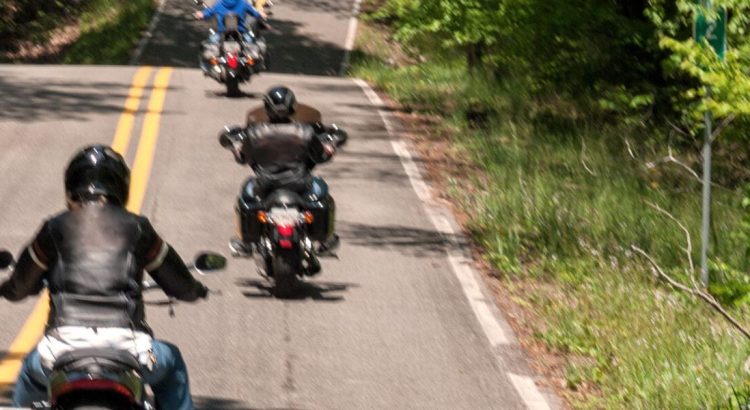
Riding a motorcycle involves much more than knowing how to ride. There are rules to follow, such as minimum age requirements, mandatory equipment and specific regulations that every motorcyclist should know well.
The helmet is the central element of these obligations. It is legally required, applies to both the rider and passenger, and must comply with specific approval standards. Riding without one, or using an unsuitable model, may have immediate legal consequences.
In this article, discover everything the law says about wearing a motorcycle helmet in the European Union and what happens if you do not comply with the rules.
What Is The Minimum Age To Ride a Motorcycle In The European Union?
The issue of the minimum age to ride a motorcycle in the European Union has two distinct perspectives: that of someone who wants to ride and that of someone who wants to travel as a passenger, for example, a parent who wants to take their child on a motorcycle.
For riding, the minimum age depends on the motorcycle licence category. Even so, the use of an approved helmet is mandatory from the very first riding lesson.
As a passenger, age requirements may vary between Member States. Therefore, it is important to check the national legislation applicable in the country where the motorcycle will be used.
In general, children travelling as passengers must use a properly approved motorcycle helmet suitable for their age and size.
What Is The Maximum Age To Ride a Motorcycle In The European Union?
There is no maximum legal age to ride a motorcycle in the European Union.
A motorcyclist may continue riding provided they maintain the physical and psychological fitness required to do so, in accordance with the rules medical exams for driver’s license renewal.
Is Wearing a Helmet Mandatory When Riding a Motorcycle?
Yes, wearing a helmet is mandatory throughout the European Union for anyone riding a motorcycle, regardless of engine size, journey or travelling speed.
This requirement applies:
- On all public roads;
- During riding lessons for obtaining a motorcycle licence;
- On any type of motorcycle, from 50cc models to category A motorcycles.
The helmet must also be properly fastened while riding. Wearing it without fastening the chin strap may, in some countries, be considered equivalent to not wearing a helmet at all.
Is a Helmet Also Mandatory For Passengers Riding a Motorcycle?
Yes, the helmet requirement applies to both the rider and the passenger. If a motorcycle carries a passenger without a helmet, legal responsibility may vary according to the legislation of each Member State.

What Is The Fine For Riding a Motorcycle Without a Helmet?
The penalties for riding without a helmet vary across European Union Member States.
In general, riding without an approved helmet may result in fines, penalty points on the driving licence or other legal consequences.
The offence may apply both to the rider and the passenger, depending on the national legislation in force.
What Types Of Safety Standards Exist In Europe?
The main European certification standards for motorcycle helmets are:
| Standard | Origin | Valid in the European Union? |
| ECE 22.06 | Europe (UNECE) | Yes, it is the current standard in force |
| ECE 22.05 | Europe (UNECE) | Yes, accepted for helmets manufactured before the implementation of ECE 22.06 |
What Type Of Helmet Is Legally Permitted For Riding a Motorcycle?
The law requires the helmet to be officially approved, meaning that it must comply with the applicable homologation standards.
Across the European Union, the current reference standard is ECE 22.06, which replaced ECE 22.05 and came into force in 2021.
This standard is more demanding than the previous one and introduced new tests, namely:
- Rotational impact tests, to assess protection against brain injuries;
- Assessment of impacts in multiple helmet areas, including the sides and lower section;
- Tests with installed accessories (cameras, intercom systems and visors).
What Does It Mean To Use An Officially Approved Helmet?
An officially approved helmet is one that has passed the safety tests defined by European standards and is certified for use on public roads.
In practice, it can be identified by:
- A visible ECE marking inside the helmet or on the retention strap, together with the standard number (e.g. ECE 22.06);
- The manufacturer’s label containing the declaration of conformity;
- The absence of damage or modifications that could compromise the original structure.
A helmet without these markings, even if apparently resistant, is not considered approved and cannot be legally used.

How To Tell If a Motorcycle Helmet Is Road Legal?
To confirm whether your helmet is approved, check:
- The inner label: it should indicate the ECE standard followed by the number (22.05 or 22.06);
- The strap or buckle: some models have the marking printed directly on the strap;
- The manufacturer’s website: most brands indicate certification details in the technical specifications of their models.
If you have any doubts, avoid using that helmet on public roads, as a non-approved model does not guarantee adequate protection and may result in penalties.
What Helmet Is Best For a Motorcycle?
The best places to buy a helmet are specialist motorcycle stores, where it is possible to try different models before making a decision, which is essential to ensure the correct fit.
Regardless of where you purchase the helmet, always confirm ECE homologation before buying.
How Do You Know If a Helmet Is Good?
Wearing a helmet when riding a motorcycle is not just a formality. To provide effective protection, it should be worn as follows:
- Correct fit: the helmet should fit firmly on the head, without excessive movement, without shifting when moving the head and without creating excessive pressure at any point;
- Fastened chin strap: the strap or buckle must always be closed and adjusted while riding;
- Visor in good condition: scratches or visor opacity compromise visibility, especially at night;
- No objects underneath: hats, caps or hoods worn under the helmet alter the fit and may reduce protection.
Is It Mandatory To Remove The Helmet At Fuel Stations?
This is one of the most common questions among motorcyclists. The clear answer is that there is no European legislation requiring riders to remove their helmet when refuelling.
From a legal perspective, refuelling while wearing a helmet is generally not prohibited. However, some fuel stations may adopt internal policies requesting helmet removal for security or identification reasons. In such cases, this is a private policy of the establishment and not a legal obligation.
If a fuel station asks you to remove your helmet, you may do so as a courtesy, but the legal requirements may vary depending on the country.
What Are The Important Safety Precautions When Riding a Motorcycle?
In addition to wearing a helmet, there are other aspects to consider when riding safely, such as:
- Wear appropriate riding clothing and footwear: gloves, closed boots and clothing with knee, elbow and shoulder protection significantly reduce the consequences of a fall;
- Keep the motorcycle in good working condition, with regular servicing and the correct motorcycle maintenance tools;
- Respect speed limits and right-of-way rules, as motorcyclists are among the most vulnerable road users;
- Increase visibility: wearing reflective clothing and keeping lights on, even during the day, makes a difference in low-light conditions.
Looking to learn more about the automotive world? Then follow us on Facebook and keep up with all the content we share daily.

