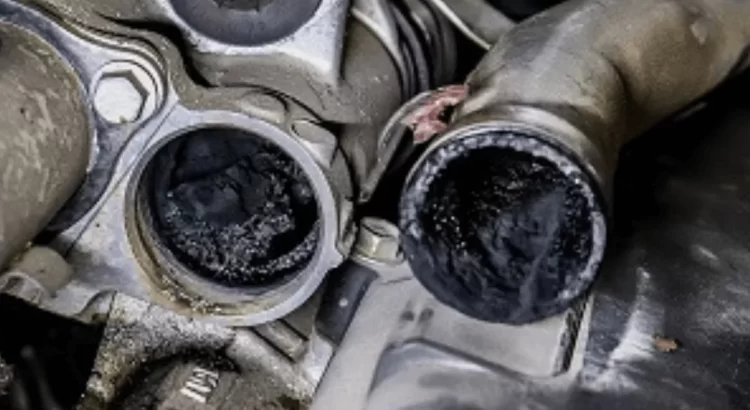
Engine decarbonisation is one of the most effective maintenance procedures for restoring performance in a high-mileage vehicle.
With regular use, both diesel and petrol engines accumulate carbon deposits. These deposits affect important components responsible for vehicle performance, and no routine service removes them completely.
In this article, discover what engine decarbonisation is, when it should be carried out, how much it costs, and what you can do to slow down carbon build-up.
What Is Engine Decarbonisation?
Engine decarbonisation is a process used to remove excess carbon deposits resulting from the incomplete combustion of fuel and oil, which accumulate on the engine’s internal components.
This carbon build-up occurs for several reasons, such as:
- Accumulation of residue due to the vehicle’s age and use;
- Burnt oil;
- Low-quality fuel;
- Incomplete fuel combustion.
What Is Engine Decarbonisation Used For?
Engine decarbonisation is carried out to restore the proper operation of components affected by carbon deposits, which typically include:
- Combustion chambers;
- Intake and exhaust manifolds;
- Injectors;
- Exhaust system (catalytic converter and particulate filters);
- Turbocharger;
- EGR valve;
- Valves.
By removing these deposits, the engine regains part of its efficiency, and the components return to operating within the parameters specified by the manufacturer.
When Should Engine Decarbonisation Be Carried Out?
Although manufacturers do not specify a fixed interval, most specialists recommend engine decarbonisation after a certain mileage, especially if the vehicle shows signs of reduced performance, such as:
- Increased fuel consumption without an obvious cause;
- Unusual engine noises;
- Smoke coming from the exhaust;
- Warning light related to the particulate filter or EGR valve;
- Rough or unstable idling;
- Loss of power, especially during acceleration and hill climbing.
Other factors, such as driving style and engine type, greatly influence the rate of carbon build-up. Therefore, mileage is only one of the criteria to consider.
At What Mileage Should You Decarbonise The Engine?
As a general guideline, the first engine decarbonisation is recommended between 150,000 and 200,000 km. However, the ideal interval depends on the engine type, the fuel used, and driving habits.
Vehicles mainly used in urban environments, with short journeys and frequent cold starts, generally accumulate carbon more quickly.

What Are The Benefits?
A properly performed engine decarbonisation provides several immediate and practical benefits for vehicle performance, such as:
1. Restored Engine Power
The engine benefits from improved airflow, and throttle response becomes noticeably more responsive.
2. Reduced Fuel Consumption
With less internal resistance, the engine operates more efficiently, resulting in lower fuel consumption.
3. Lower Emissions
Carbon deposits contribute to higher pollutant emissions, and removing them can reduce emissions by up to 70%.
4. Longer Component Lifespan
Components such as valves, pistons, injectors, and the turbocharger experience less wear when operating without carbon deposits.
5. Prevention Of More Serious Failures
Timely engine decarbonisation acts as preventive maintenance. It prevents carbon deposits from damaging more expensive components, such as the EGR valve and the turbocharger.
What Are The Different Methods?
Several engine decarbonisation methods are currently available, each offering different levels of intervention, cost, and effectiveness.
The most suitable method depends on the engine’s condition and the amount of accumulated carbon.
The most common methods include:
1. Hydrogen Engine Decarbonisation
Hydrogen is introduced into the engine’s intake system while the engine is running. It reacts with the carbon deposits and converts them into gases expelled through the exhaust.
This method does not require dismantling and is suitable for preventive maintenance or engines with moderate carbon build-up, as it is less invasive.
2. Chemical Engine Decarbonisation
This method uses a dedicated decarbonising fluid or additive that dissolves carbon deposits while the engine is running.
It is an effective solution for light to moderate carbon accumulation.
3. Manual Or Mechanical Cleaning
This is the deepest and most invasive method.
It involves dismantling the engine, removing the intake and exhaust valves, and mechanically scraping carbon deposits from the manifolds, cylinder heads, and combustion chambers.
This type of engine decarbonisation is reserved for cases of severe carbon build-up where other methods are insufficient, as it is more time-consuming and more expensive.
4. Walnut Shell Blasting Intake Cleaning
This blasting technique projects crushed walnut shell particles onto the intake valves and intake manifold while the engine is switched off. The particles remove carbon deposits without damaging the metal surfaces.
This option is particularly effective for direct-injection petrol engines, where carbon build-up on the intake valves is more common.
5. Individual Cleaning Of The EGR Valve, Injectors And Particulate Filter
These are complementary procedures to general engine decarbonisation, recommended when these components show faults or reduced performance.
The EGR valve and injectors can be cleaned chemically or mechanically, while the particulate filter can undergo forced regeneration or ultrasonic cleaning.

What Is The Best Product For Engine Decarbonisation?
It depends on the engine type and the objective of the intervention.
Fuel or oil additives from recognised brands are a practical solution for preventive maintenance. For more extensive treatments, professional decarbonising fluids provide more consistent results when applied in a workshop using dedicated equipment.
In any case, always confirm that the product is compatible with your engine type (diesel or petrol) before use.
Can Engine Decarbonisation Damage The Engine?
There is a risk of damaging the engine in three situations:
- Using products that are incompatible with the engine type;
- Exceeding the recommended quantities;
- Applying an invasive method to an engine that is already heavily worn.
To avoid these situations, it is advisable to use a specialist workshop experienced in engine decarbonisation.
What Are The Risks Of Decarbonising a Very Old Engine?
In engines with very high mileage or worn components, carbon deposits may unintentionally seal small gaps or cracks. Once removed, these imperfections become exposed, potentially causing oil or gas leaks that were previously unnoticed.
Therefore, for very old engines or vehicles with an irregular maintenance history, it is important to carry out a full diagnosis before performing an extensive engine decarbonisation.
How Can You Delay The Need For Engine Decarbonisation?
You can reduce the need for engine decarbonisation by adopting a few good practices, such as:
- Avoid leaving the engine idling, including warming it up while stationary after starting, as this can be harmful to the engine;
- Avoid making only short journeys, as the engine does not reach its optimal operating temperature;
- Change the engine oil and oil filter at the intervals recommended by the manufacturer;
- Use fuel additives or premium fuels with additives to improve engine lubrication and protection.
What Is The Price Of Engine Decarbonisation?
The cost depends on the method selected.
If you choose chemical decarbonisation, the cost generally ranges in the hundreds of euros, while mechanical decarbonisation (which requires dismantling the engine) can cost several thousand euros.
On the other hand, diesel decarbonisation is generally more expensive than petrol engine decarbonisation. This is due to greater carbon build-up and the presence of additional components, such as the particulate filter and the EGR valve.
Is It Worth Getting Your Engine Carbon Cleaned?
Yes, particularly for vehicles with more than 150,000 km or showing clear signs of reduced performance.
The cost of chemical engine decarbonisation carried out by a workshop is significantly lower than replacing components damaged by excessive carbon build-up. In addition, it immediately improves engine efficiency, reduces fuel consumption, and can extend the vehicle’s service life by several years.
Where Can Engine Decarbonisation Be Carried Out?
Engine decarbonisation is carried out in automotive repair workshops equipped for this type of service.
More advanced methods, such as hydrogen engine cleaning or walnut shell intake cleaning, require a specialist workshop with experienced technicians and suitable equipment.
Would you like to learn more about the automotive world? Then follow us on Facebook and keep up with all the content we share every day.


Hello! I just would want to supply a large thumbs up with the great info you may have here within this post. I will be coming back to your blog site for additional soon.
Dear Hyacinth Sera,
We appreciate your feedback.
Keep watching our post on KROFtools blog and if you have any doubt don´t hesitate in contacting us on info@kroftools.com our through our social media.
KROFtools team