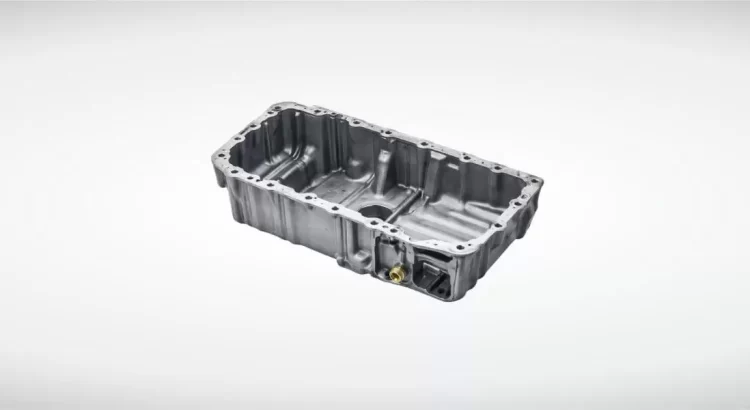
The engine oil pan is not visible at first glance when opening a car bonnet, yet it plays one of the most important roles in ensuring proper engine operation.
Without an oil pan in good condition, the engine can quickly suffer serious damage due to lack of lubrication and protection of the system. In other words, small issues can rapidly turn into costly repairs.
In this article, understand what the engine oil pan is, what it is used for, where it is located, and the most common problems associated with it.
What Is An Engine Oil Pan?
The engine oil pan is a reservoir located at the bottom of the engine.
In practice, it is where the engine oil is stored when it is not circulating. In addition, it acts as protection for internal engine components.
With a simple bathtub-shaped design, it is found in all types of combustion engines, whether diesel or petrol engines.
What Is The Function Of The Engine Oil Pan?
The main function of the engine oil pan is to store lubricating oil and allow its recirculation through the system.
After flowing through the various engine components, the oil returns to the oil pan, where it is once again drawn by the oil pump and redistributed throughout the engine. This cycle repeats continuously, ensuring efficient lubrication and reducing component wear.
Where Is The Engine Oil Pan Located?
As a rule, this component is located underneath the engine block and fixed to the main structure.
Because it is positioned in a vulnerable area of the vehicle, it is more exposed to impacts.
How Is The Engine Oil Pan Constructed?
The engine oil pan is generally made from aluminium or steel, materials resistant to heat and vibrations.
This component includes different sections with specific functions:
1. Upper Oil Pan
The upper oil pan is connected to the engine block and surrounds the crankshaft area, contributing to the structural rigidity of the assembly.
2. Lower Oil Pan
The lower oil pan acts as a reservoir where the engine oil is stored and collected for recirculation.
3. Oil Pan Gasket And Bolts
The oil pan gasket ensures sealing between components, preventing oil leaks. The bolts secure the oil pan firmly to the engine.
4. Oil Drain Plug
The drain plug is the bolt located at the bottom of the oil pan.
During an oil change, it is removed to allow complete drainage of the lubricant.

What Types Of Engine Oil Pans Exist?
The main types differ according to how the oil is stored and distributed within the engine:
1. Wet Sump
This is the most common system in conventional vehicles.
In this setup, the oil is stored directly in the oil pan and drawn by the oil pump to lubricate the engine.
It stands out for its simplicity, lower cost, and easier maintenance.
2. Dry Sump
This system is mainly used in high-performance and racing vehicles.
In this case, the oil is not stored in the oil pan but in an external reservoir.
It provides more efficient lubrication, even under extreme conditions such as high-speed cornering, preventing oil starvation.
What Are The Main Problems Associated With The Engine Oil Pan?
The engine oil pan is subject to wear and impacts, so the most common issues include:
- Oil leaks: occur when there are leaks in the seal, allowing oil to escape;
- Cracks or fractures: resulting from impacts with road obstacles;
- Damage to the drain plug: may occur due to excessive tightening or thread wear;
- Excess pressure in the oil pan: occurs when there are problems with engine ventilation, causing internal gases to build up.

How Can You Tell If An Engine Oil Pan Is Cracked?
A damaged oil pan can cause oil leaks and compromise engine lubrication, so identifying the signs early is essential to prevent more serious damage.
Therefore, the main symptoms of a cracked oil pan are:
- Oil stains on the ground, especially after the vehicle has been parked;
- Oil level dropping rapidly for no apparent reason;
- Smell of burnt oil due to contact with hot components;
- Oil warning light on the instrument panel.
What Should I Do If The Engine Oil Pan Cracks?
If the engine oil pan is damaged, shut off the engine immediately, check for signs of oil leaks, and contact roadside assistance.
To repair or replace the oil pan, the vehicle must be towed to a repair shop; do not drive the vehicle under any circumstances while the system is not properly lubricated.
What Tools Are Needed To Replace An Engine Oil Pan?
To replace the oil pan, the following tools are usually required:
- Socket wrenches;
- Torque wrench;
- Oil drain container;
- Cleaning tools (such as gasket scrapers and degreasing spray);
- New gaskets and bolts.
What Oil Pan Related Products Are Available In The Kroftools Catalogue?
114pcs Plug And Washers Set

This complete kit allows you to repair damaged threads in the oil pan, transmission, or differential using larger taps and to install new plugs and washers, thereby avoiding the need to replace the component. Click on the image for more information about the 114pcs Plug And Washers Set (ref. 1040).
Magnetic Sump Plug Removal Tool

This magnetic tool allows you to safely remove oil pan plugs without coming into contact with hot oil, improving safety and preventing mess. Click on the image for more information about the Magnetic Sump Plug Removal Tool (ref. 2337).
63pcs Block Drain Plugs Kit

This set, which includes various plugs and washers for use in different types of engine oil pans, helps resolve leaks caused by wear or incompatibility with the original plug, ensuring an effective seal. Click on the image for more information about the 63pcs Block Drain Plugs Kit (ref. 7000).
How To Prevent Damage To The Engine Oil Pan?
To preserve both the upper and lower oil pan, it is essential to:
- Avoid obstacles on the road;
- Replace worn gaskets;
- Carry out regular preventive maintenance;
- Use an underbody protection cover when applicable.
Want to learn more about the automotive world? Follow us on Facebook and stay updated with all the content we share daily.


Nice content and informative that car owners can follow through it. Thanks for sharing.
Dear Corghi,
Appreciated your feedback.
Keep watching our post on KROFtools´ blog and if you have any doubt don´t hesitate in contacting us on info@kroftools.com our through our social media.
KROFtools team